Thesis
Reduce Food Waste with MyCanteen
Chefs believe they know their guests well, but guests see things differently. A blind spot emerged between experience, assumptions, and response bias.
This case study shows how research, clear information architecture, and gamification led to a scalable (white-label) solution to food waste.
The aim of the present work is to create a digital tool, for the client Prognolite AG, that elicits the popularity of food in factory kitchens in order to reduce food waste in community catering.
The focus was on creating a user-centred and scalable solution that supports both guests and chefs in their daily work.
🚨 Problem(s)
Menu and portion planning in workplace canteens is often based on experience and assumptions. This becomes especially challenging when chefs start a new position and have little knowledge about the eating habits, preferences or dietary needs of their guests.
At the same time, guests lack a simple and structured way to communicate their preferences. Allergies, intolerances or feedback on portion sizes are often not captured systematically and get lost in everyday operations.
🔍 Research & Discovery
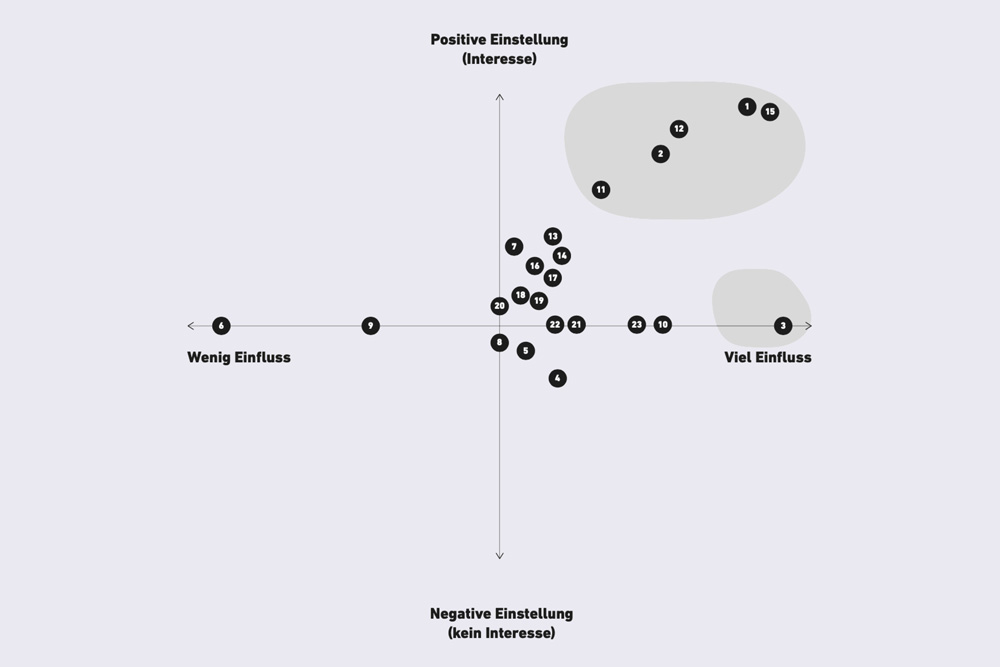
At the beginning of the project, a stakeholder analysis was conducted to identify all relevant stakeholders, assess their level of influence and define when they should be involved throughout the process. This helped align expectations early on and ensured transparent decision-making. The results were documented in a stakeholder map.
Interviews (with Chefs)
Interviews with chefs revealed that food waste is perceived as very low in daily operations. Most chefs stated that they know their guests well and have learned their preferences over the years. The main challenge occurs at the beginning of a new position, when this knowledge is still missing.
However, these statements partly contradict official data. According to the Bundesamt für Umwelt (BAFU), around 2.8 million tonnes of food are wasted in Switzerland every year. About 14% of this waste comes from gastronomy and community catering.
This gap points towards response bias. In qualitative interviews, social desirability can influence answers, as people tend to avoid presenting themselves in a negative way. Response bias is a well-known phenomenon in UX research and highlights the importance of critically questioning statements and validating them with additional data sources.
Survey (with Guests)
The guest survey painted a different picture. Many guests stated that their food preferences, allergies or intolerances are not well known or sufficiently considered by the kitchen staff.
This mismatch between both perspectives made it clear that the core issue is not a lack of motivation, but missing structures for continuous and reliable communication.
Information Architecture
Based on the research insights, a visual information architecture was developed early in the process. Its purpose was to clearly separate the needs of different user groups while maintaining a consistent overall structure.
The information architecture served as a bridge between research, concept and design. It helped prioritise content, define clear navigation paths and manage complexity.

💡 Key Insights
- Chefs rely heavily on experience, especially in long-term roles, but lack reliable information at the beginning of a new position
- Guests feel that their needs are not visible or systematically captured
- There is no central digital interface between guests and the kitchen
- A clear information architecture is essential to make complex systems understandable
🚀 Solution
Based on the research findings, a digital application was designed as a central interface between guests and chefs. The solution was planned as a white-label product, allowing Prognolite to adapt and roll it out across different clients and organisational contexts.
Guest Application
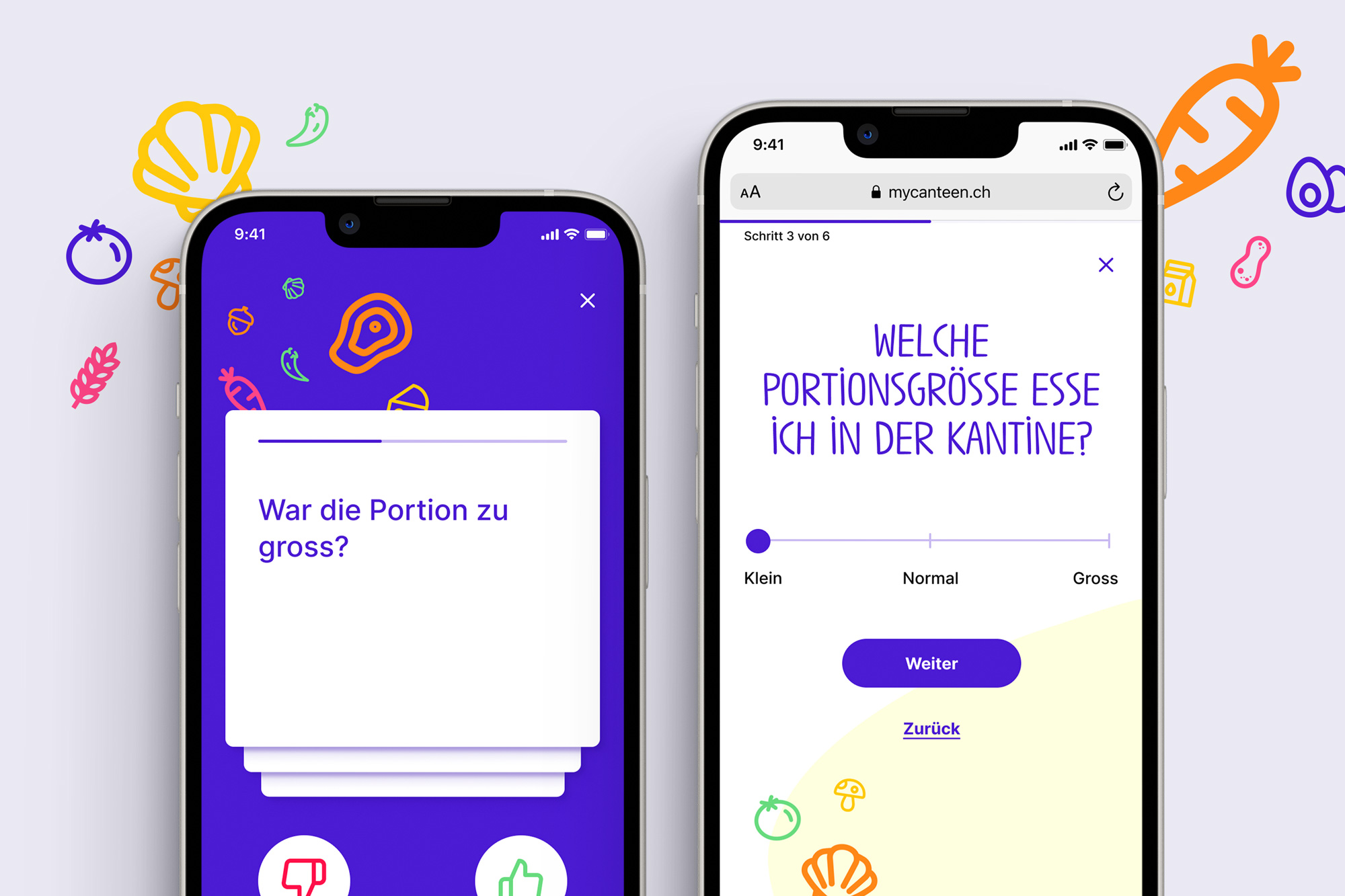
Guests can enter their food preferences, allergies, intolerances and dietary requirements in the application. The tool can be integrated into existing intranets and is designed to be filled out already at the start of employment as part of the onboarding process.
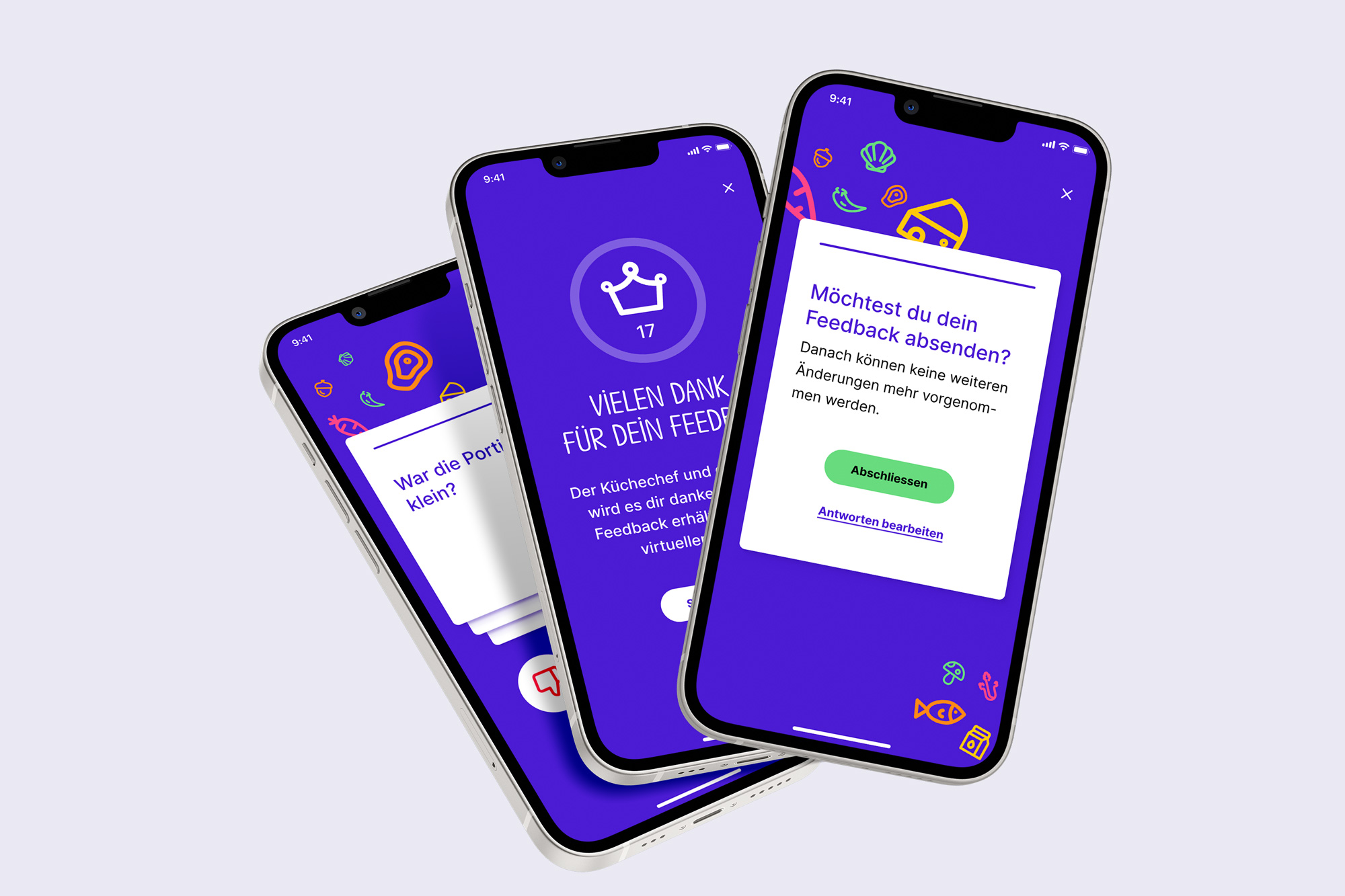
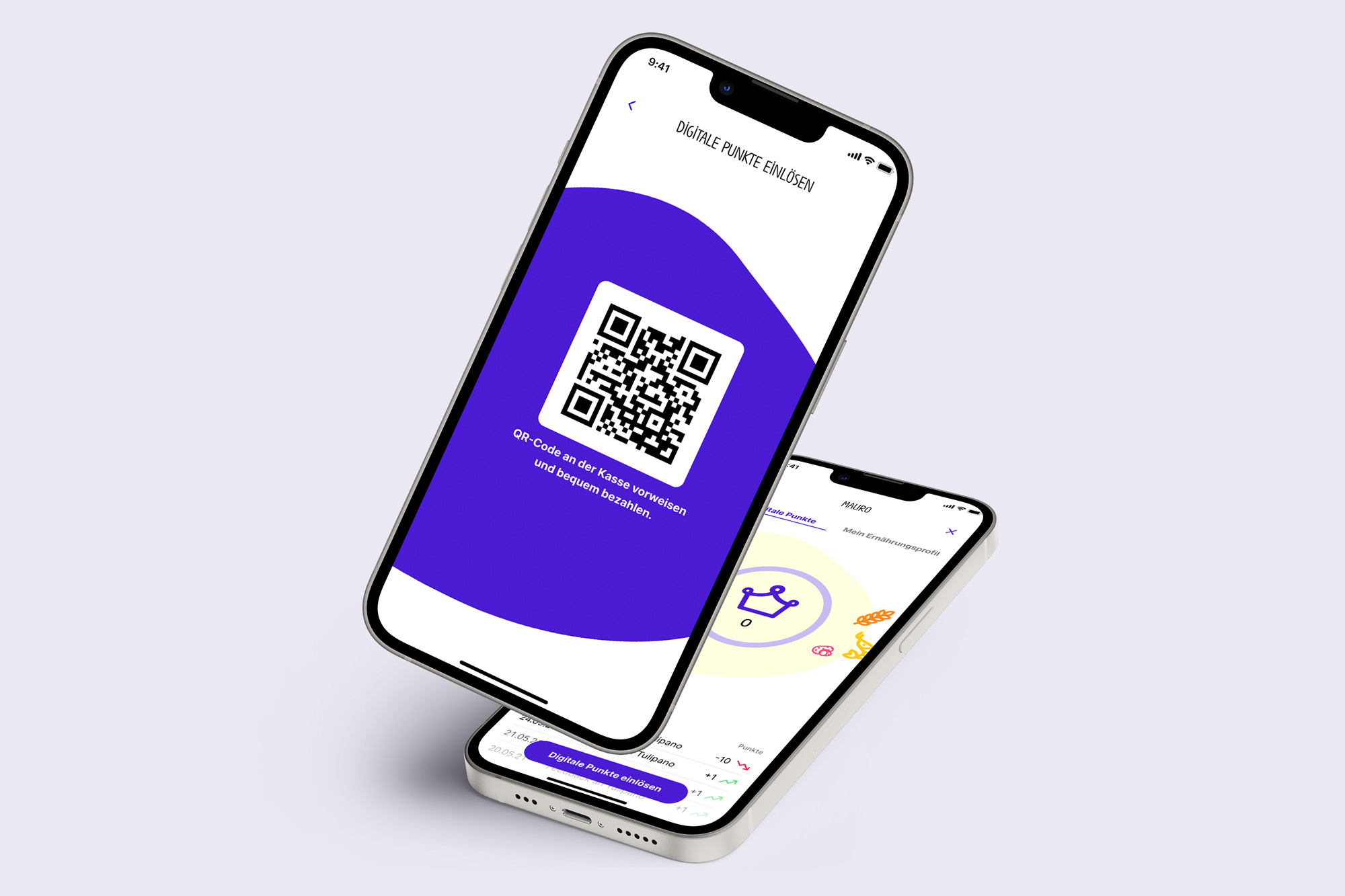
Gamification plays a key role. Guests can voluntarily give feedback after each meal, for example on portion size, taste or overall satisfaction. In return, they collect digital coins that can be used as an additional payment method in the restaurant. These gamification elements act as psychological incentives and encourage regular use.
Chef Application
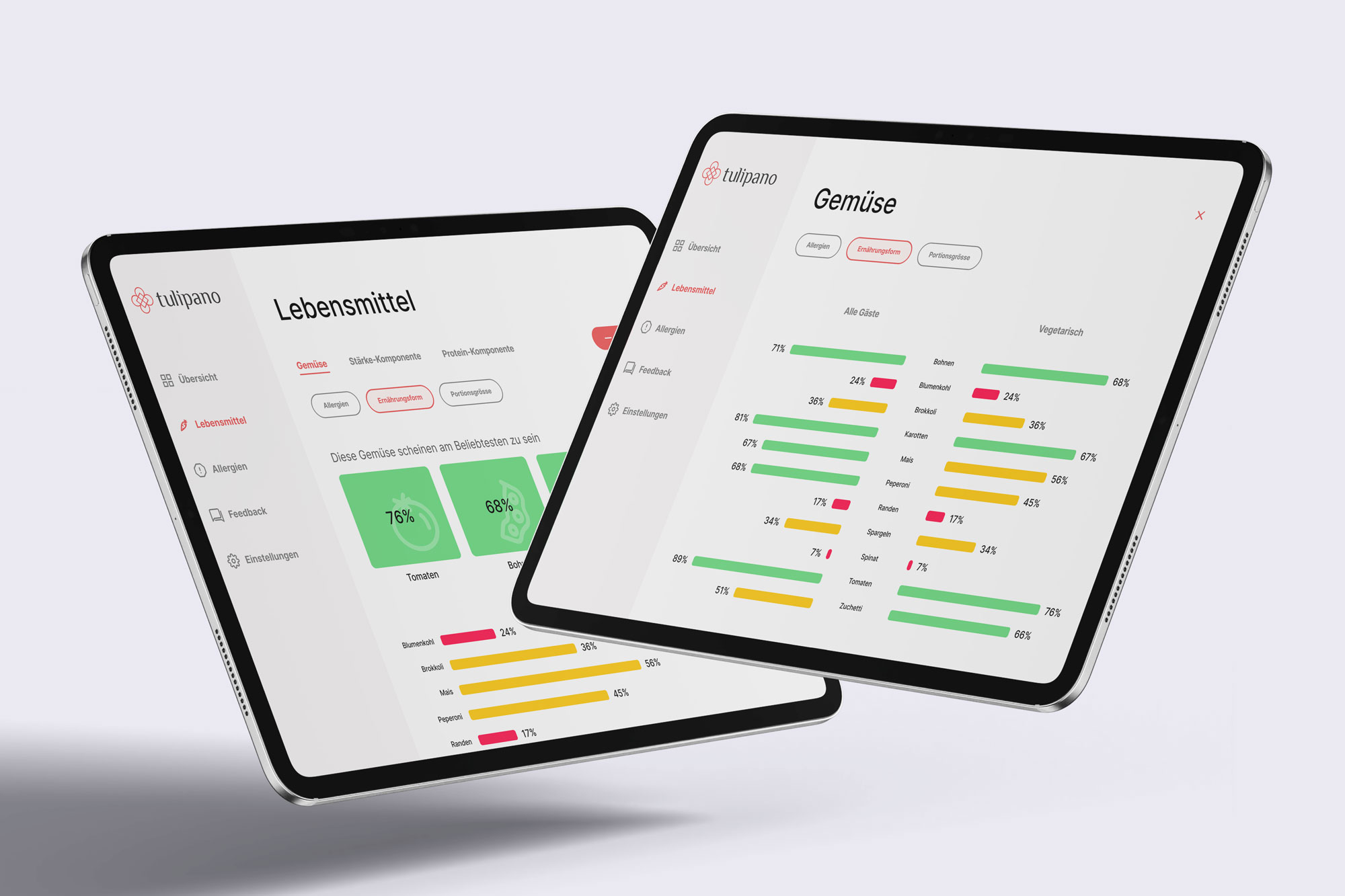
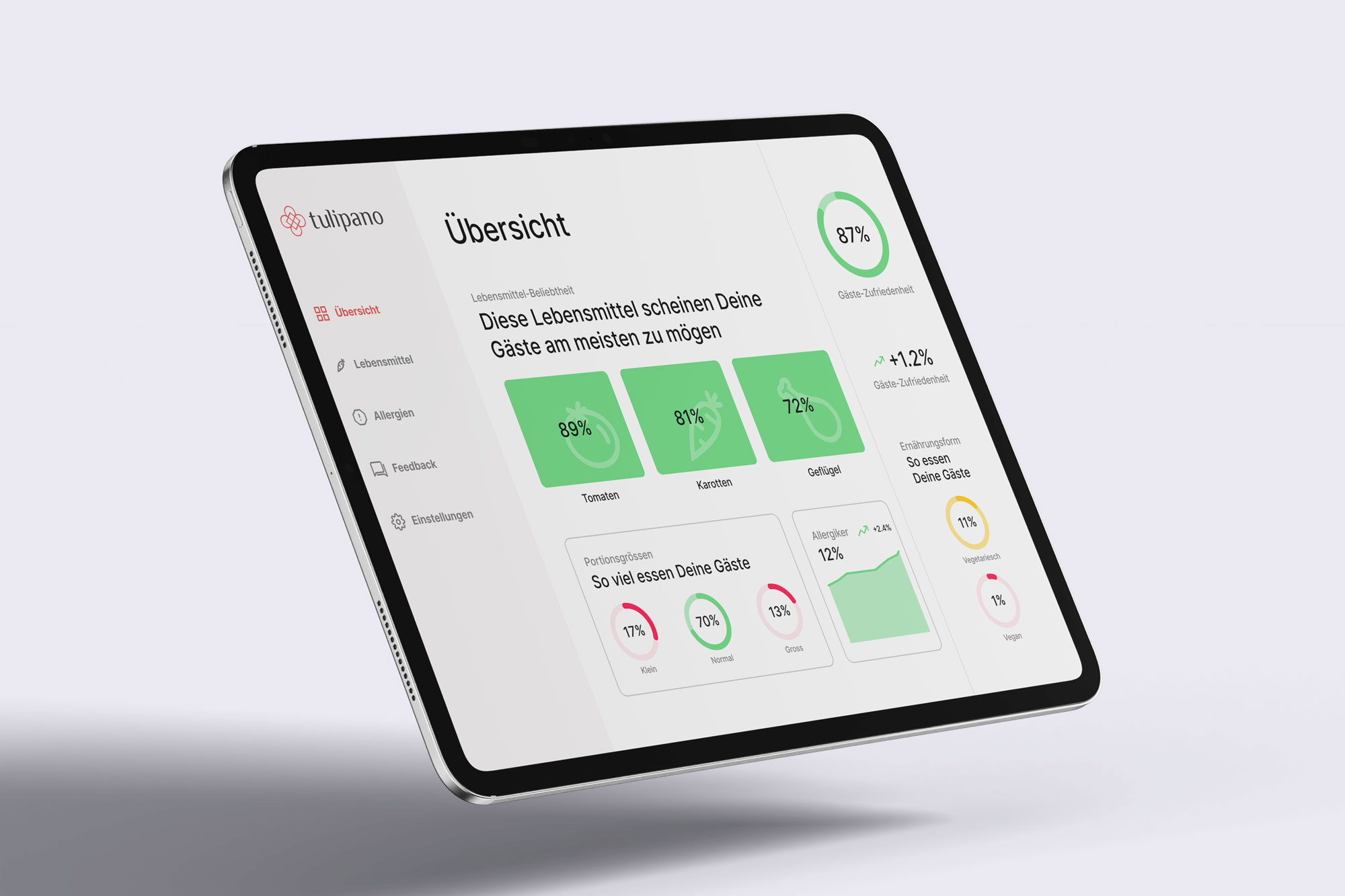
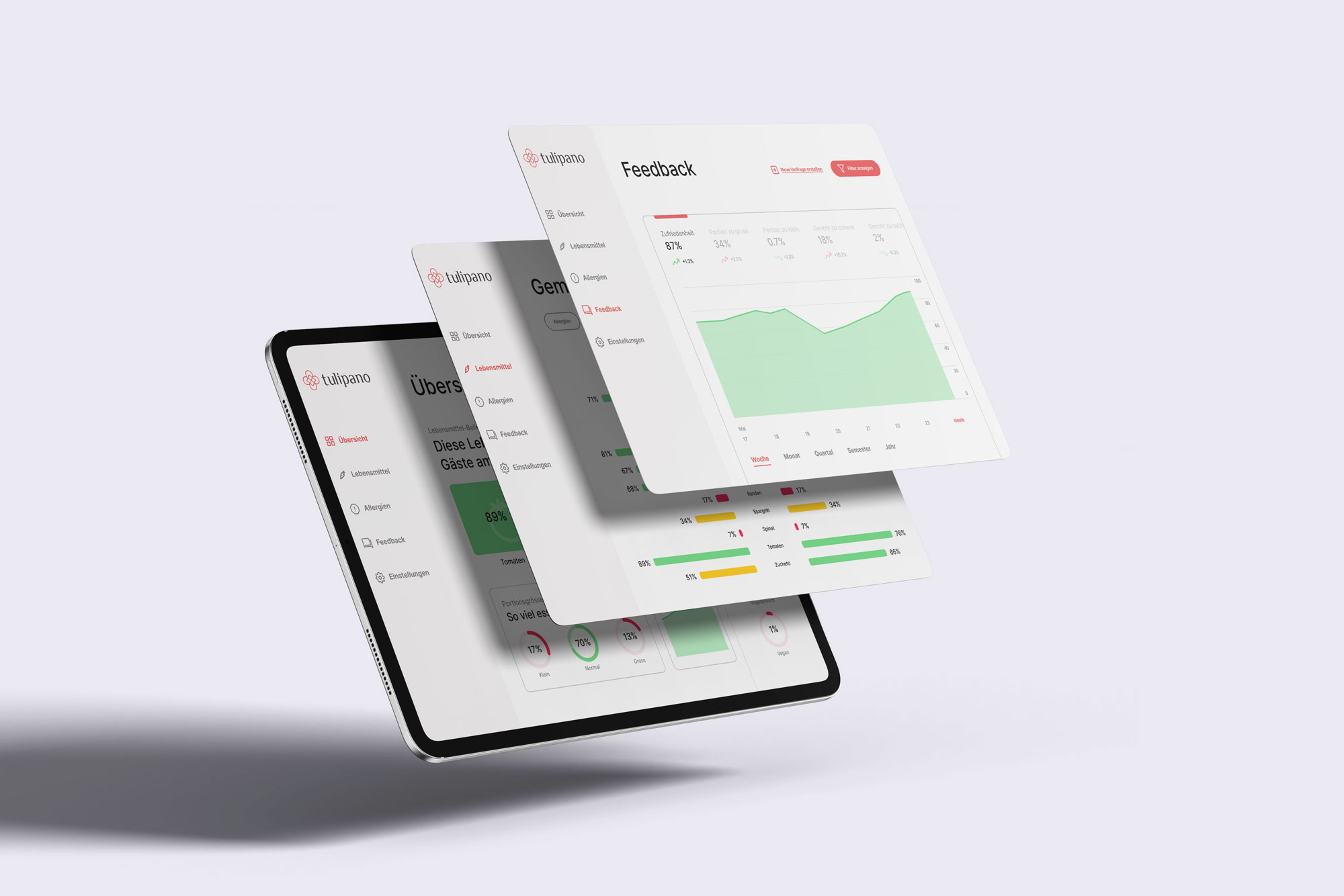
Chefs receive access to a comprehensive feedback and analytics tool. They can view food preferences, allergies, popular dishes and overall guest satisfaction at any time.
The data can be analysed and compared over time, enabling data-driven menu planning based on real needs rather than assumptions.
The solution allows chefs to understand their guests from day one, even when starting a new position. At the same time, guests gain a simple and effective way to actively communicate their needs.
The white-label approach enables Prognolite to scale the solution across different environments.